


Many people want to have a home of owning their own. It’s something to be proud of. Most folks need a mortgage just to get a house.
Start preparing for home ownership months before you are ready to buy. If you want to purchase a home, make sure you have your financials ready. You need to build substantial savings and make sure your debt level is reasonable. If these things are something you wait on, you might not get approved for your home.
Don’t take out the maximum amount you qualify for. Consider your lifestyle and spending habits to figure what you need to really be content.
Avoid overspending as you wait for closing day on your mortgage. Lenders often recheck credit a few days before a mortgage is finalized, and may change their minds if they see too much activity. Wait for furniture shopping and other major expenses, until long after the ink is dry on your new mortgage contract.
You will more than likely have to cover a down payment when it comes to your mortgage. In years past, some lenders didn’t ask for down payments, most do require a down payment now. Ask what the down payment has to be before you submit your mortgage payment.
Gather your documents before making application for a home loan. Most lenders will require basic financial documents. They want to see W2s, bank statements, pay stubs as well as income tax returns. If these documents are ready, your process will be smoother and faster.
Get key documents in order before you apply for a new mortgage. Most lenders will require a standard set of documents pertaining to income and employment. These include your W2s, bank statements, and recent pay stubs. The mortgage process goes smoother when your documents are all in order.
You need to find out how much your home is worth before deciding to refinance it. The home may look the same or better to you, but the bank has an entirely different view.
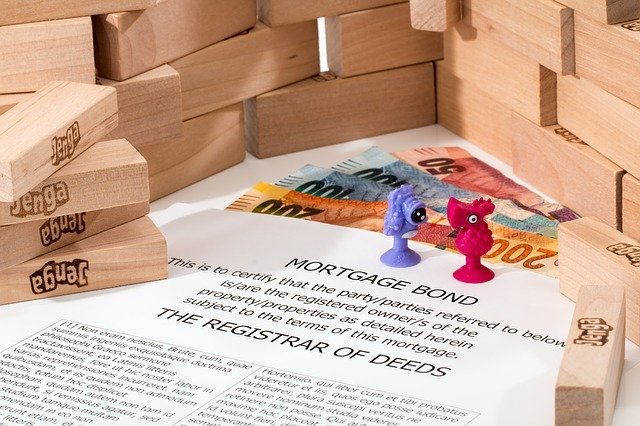
Create a budget so that your potential mortgage is no more than 30% total of your income. Paying a mortgage that is too much can cause problems occur later on if you were to have any financial problems. You will find it easier to manage your budget better with manageable payments.
Hire a consultant if you feel you need a little help. They will help you get a great rate. They make sure the loan terms are fair.
Make sure your credit rating is the best it can be before you are planning to apply for a mortgage. Lenders tend to closely look at your personal credit history carefully to determine if you are any sort of risk. If your credit is bad, do what you must to repair it so that you avoid having the application denied.
Search around for the best possible interest rate you can find. Remember that it is in the best interest of banks to charge you a high interest rate. Don’t fall for it. Shop around to see a few options to pick from.
Don’t lose hope if your loan application that’s denied. Every lender has different criteria that the borrower must meet in order to get loan approval. This is the reason why it will benefit you should shop around to many different lenders to better your chances of getting a more than one lender.
Make extra monthly payments if you can with a 30 year term mortgage. Making extra payments reduces your principle. This will help you pay your loan even faster and reduce your total interest amount.
In conclusion, you now have some tips to assist you in picking out a home mortgage. Use all of the information you learned here. Once you understand everything completely, you are now ready to make an informed decision on getting a mortgage that will help put you into your dream home.
Before signing on with a refinanced mortgage, ask for full disclosure in writing. This should have all the fees and closing costs you have to pay. Most companies share everything, but you may find some hidden charges that may sneak up on you.