

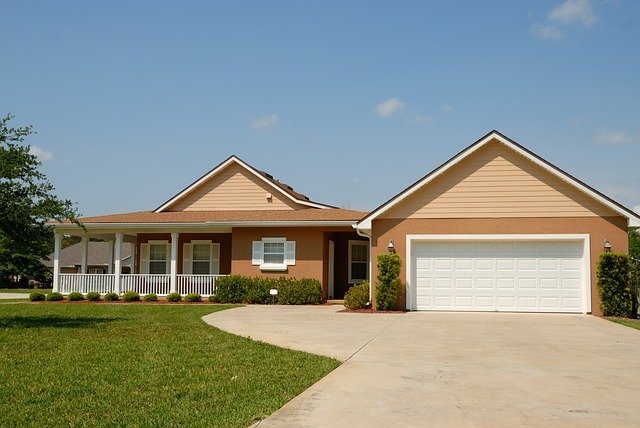
Home mortgages are usually necessary to home that you own. The process can be rather confusing and maybe even overwhelming if you lack a bit of knowledge. Learn about home mortgages before you go to a loan. You are sure to be happy you did.
Prepare yourself for your mortgage application early. Your finances must be under control when you are house hunting. It means building a bit of savings and raising your credit score. Lack of preparation could prevent you from being able to purchase a home.
Before you try to get a loan, check your credit report to make sure that there are no errors or mistakes. Credit standards are stricter than ever, and you may need to work on your score before applying for a mortgage.
Make sure that you always keep in touch with your lender, regardless of how dire your finances ever get. It may be tempting to just walk away, but your lenders can help you keep your home. You can find out which options may be available for you by calling your mortgage holder.
Avoid unnecessary purchases before closing on the mortgage. Lenders recheck your credit in the days prior to finalizing your mortgage, and they could change their mind if they see a lot of activity. Wait until after the mortgage contract.
Avoid overspending as you wait for closing day on your mortgage. Many times, lenders will check your credit before closing on the loan. All major expenses should be put off until after your mortgage application has been approved.
Don’t despair if you have a mortgage. Different lenders have their own standards for loan approvals. This makes it a good idea to apply with a few different lenders.
You should not enter into a monthly mortgage that costs you anything over 30 percent of your total income. If it is more than that, you may have trouble making the payments. Keeping yourself with payments that are manageable will allow you to have a good budget in order.
You might want to look into getting a consultant to help you through this process. A home loan consultant can help make sure you navigate the process. They will also ensure that the terms are fair.
If you are buying your first home, find out if government assistance can help you get a good mortgage. There are a lot of government programs that help out with costs for closing, helping get a mortgage with a lower interest rate, or someone who can help you with your credit score.
Educate yourself about the home’s history of any prospective property.You have to understand how much your property taxes will increase over time.
You may want to hire a consultant to help you with the mortgage process. There is quite a bit you should learn before you get a home mortgage, and that’s just a job a consultant is going to help you with. A pro is also able to get you the best possible terms.
Do not let a single denial prevent you from searching for a mortgage. One lender does not doom your prospects.Shop around and talk to a broker about your options are. You might find a co-signer can help you get the mortgage.
Make extra monthly payments if you can with a 30 year term mortgage. This added payment will be applied to the principal amount. This will help you pay your loan even faster and reduce your total interest amount.
The interest rate is the single most important factor in how much you will end up spending on your mortgage payments. Know what you’ll be spending and how increases or decreases affect your monthly payment. You could pay more than you want to if you are not careful with interest rates.
Know how much you will be required to pay in fees prior to signing any agreement for the mortgage. There are going to be itemized closing costs, in addition to other commission fees and miscellaneous charges. You can negotiate some of these terms with your lender or seller.
If you’re having trouble paying off your mortgage, get some assistance. Counseling might help if you are having difficultly affording the minimum amount. There are different counseling groups available. These counselors offer free advice to help you how to prevent your home from being foreclosed. Call your local HUD or look online for their office locations.
Open a checking account and leave a lot of funds in it. Cash on hand will be necessary to cover the down payment, closing costs, and other miscellaneous expenses. The more you have for the down payment, the less you have to pay in interest later.

Try to have balances down below half of the credit limit you’re working with. If possible, shoot for below 30%.
If you want to secure a good interest rate on your mortgage, a high credit score is a must. Get your credit reports from the big three agencies to make sure they contain no errors. Many banks stay away from credit scores that are below 620.
Determine which type of mortgage you want. There are several different kinds of home loans. Knowing all about different types of mortgages and comparing them makes it easier to decide on the type of mortgage appropriate for your situation. Speak with your lender about the different types of mortgage programs that are available to you.
Make sure that you understand all of the information that your mortgage broker is giving to you. If you don’t, ask questions. It’s critical that you know what’s going on. Provide your mortgage broker with multiple ways to contact you. And, keep up with your emails as your broker may have timely needs that they’ll be contacting you about.
Learn ways you can avoid a shady home mortgage lenders. Avoid the lenders that try to fast or smooth talk their way into a deal. Never sign loan documents with unusually high or too low. Avoid lenders that say there is no problem if you have bad credit. Don’t go with anyone who suggest lying is okay either.
Make sure your credit looks good in advance of trying to secure a mortgage. Mortgage lenders want clients with great credit. They want to make sure they will be repaid. Ensure you have a clean credit score before trying to borrow.
Learn what all about the typical costs and fees associated with a mortgage. There are often odd-seeming line items involved in closing a lot of things that can go wrong when you’re trying to close out on a home. It can make you feel very daunting. But, by doing some legwork, you can negotiate a lot more easily.
If you what to buy a house in the next 12 months, stay in good standing with the bank. Apply for a small loan now, and then pay it back on time before you submit a mortgage application. You will already have proved your financial responsibility.
Monthly Payment
The rates a bank posts are not set in stone. Point out to your bank that other banks in the area are offering lower rates and ask them to match them. If they value you as a customer they’ll give you the better rate.
If your budget can withstand a larger monthly payment, consider 15 or 20-year loans. These short-term loans come with a lower rate of interest and monthly payment. You will save thousands of dollars over a regular 30-year loan in the future.
Before trying to get a mortgage, make sure you have money saved up. You will need to have at least 3.5% of the loan as a down payment. The more you have, the better. If you put down less than 20%, you are required to have private mortgage insurance.
Open a checking account and leave a mortgage. You need to show cash reserves available for your closing costs, credit reports and closing costs. If you are able to afford a substantial down payment, you will get better terms.
Regardless of the circumstances, never quit a job during the mortgage approval process. Changing jobs is reported to your lender, and it may delay your mortgage closing. The instability may even cause you to lose your funding altogether.
Owning a home is the American dream. But, if you wish to won a house, a lot of the time you may need a loan. Because of this many people are afraid to take the first step toward home ownership. Use this advice to give yourself a leg up when looking for a home loan.
Switching lenders could work to your detriment. A lot of lenders give loyalty discounts with better rates. Penalties and other items may even be waived if you stick with one lender.